What to know about Barnet Council rules for flower displays
Posted on 28/09/2026
If you are planning flower displays in Barnet, the rules can feel a bit murky at first glance. One minute you are thinking about colour, season, and style; the next you are wondering whether a planter needs permission, if a display could obstruct a pavement, or whether a floral arrangement outside a shop counts as an item placed on the highway. That is exactly why understanding What to know about Barnet Council rules for flower displays matters before you buy the blooms.
In practice, most people are not trying to do anything complicated. A florist wants an inviting frontage. A cafe wants a little charm. A venue wants the entrance to look polished. But small details matter. The placement, size, safety, and upkeep of a display can change whether it is acceptable or becomes a problem. This guide breaks it down in plain English so you can plan well, avoid obvious missteps, and keep your display looking good without creating hassle for yourself or anyone else.
We will cover how the rules typically work, what to watch for, who they affect, and the best way to approach flower displays in a way that feels neat, safe, and practical. Truth be told, a well-planned display is usually the easy part. It is the bit around access and responsibility that catches people out.
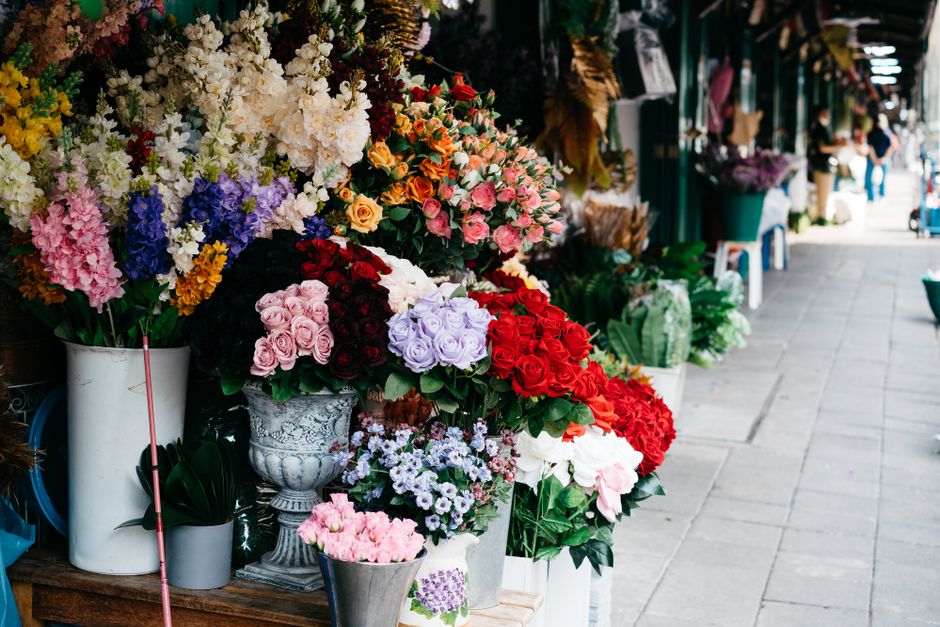
Table of Contents
- Why What to know about Barnet Council rules for flower displays Matters
- How What to know about Barnet Council rules for flower displays Works
- Key Benefits and Practical Advantages
- Who This Is For and When It Makes Sense
- Step-by-Step Guidance
- Expert Tips for Better Results
- Common Mistakes to Avoid
- Tools, Resources and Recommendations
- Law, Compliance, Standards, or Best Practice
- Options, Methods, or Comparison Table
- Case Study or Real-World Example
- Practical Checklist
- Conclusion
- Frequently Asked Questions
Why What to know about Barnet Council rules for flower displays Matters
Flower displays seem harmless, and mostly they are. But in a busy borough like Barnet, even a lovely arrangement can become an issue if it narrows a pavement, blocks a doorway, or creates a trip hazard in bad weather. That is the simple reality. Councils tend to focus on public safety, access, amenity, and keeping streets usable for everyone.
For businesses, the stakes are practical rather than dramatic. A display that looks beautiful but causes inconvenience can lead to complaints, requests to move it, or enforcement action if it is left in the wrong place. That can be frustrating, especially if the display was meant to be welcoming. For residents, the concern is often different: shared access, visibility, and how long the display stays put.
It also matters because flower displays often sit close to other regulated things. You may be dealing with shopfront furniture, signage, hanging baskets, temporary event decor, or an arrangement on private land that still affects public access. These overlaps can be surprisingly fiddly. A planter by the entrance, for example, may seem like a minor decorative touch, yet it may trigger questions about obstruction and responsibility.
So, if you want your display to work in the real world, not just on the drawing board, you need to think about more than the flowers. You need to think about movement, maintenance, and whether the arrangement helps or hinders the space around it.
Expert summary: The safest approach is usually to treat flower displays as part of the wider site layout, not as decoration alone. If people need to step around it, lift a buggy over it, or squeeze past on a wet evening, it may need a rethink.
How What to know about Barnet Council rules for flower displays Works
There is not one single "flower display rule" that covers every situation. Instead, the rules usually sit across several practical areas: whether the display is on public land or private land, whether it affects pedestrians, whether it is temporary or permanent, and whether it creates any safety or amenity issue.
The first question is location. A display on private property is generally easier to manage, but that does not mean it is automatically unrestricted. If it overhangs or encroaches into a pavement area, or creates a hazard visible from the street, the council may still have an interest. On public land, the bar is much higher. Anything placed on a footway or similar shared space tends to be more sensitive.
The second question is purpose. A seasonal floral arrangement for a shop window has a different feel from large outdoor planters set to remain in place. Temporary decorative displays for weddings, community events, memorials, or promotions may also be treated differently from fixed installations. Duration matters. So does whether the display is attended and maintained.
The third question is impact. Councils look at things like:
- access for pedestrians, wheelchair users, pushchairs, and mobility aids
- visibility at entrances, junctions, and crossings
- trip, slip, or spill risks from containers, water, stems, or loose materials
- whether the display could be blown over or damaged in poor weather
- how the display affects cleaning, refuse collection, or emergency access
That is the practical lens. Not glamorous, I know, but very real. A neat display in summer sunshine can look delightful at 10 a.m. and become a soggy obstacle by 6 p.m. if it is not properly weighed, watered, and checked.
In many cases, the council may expect you to keep the display tidy and to remove it if it becomes unsafe or attracts complaints. If you are unsure, the best next step is usually to confirm the relevant local requirement before the display is installed rather than after someone has to ask you to move it.
Key Benefits and Practical Advantages
Getting the rules right does more than protect you from trouble. It actually makes the display better. That may sound a bit obvious, but it is true. A compliant display is usually a calmer, cleaner, and more effective one.
- Better customer experience: Customers and visitors can move naturally through the space without awkward detours.
- Less risk of complaints: If the display is not obstructive or messy, people are less likely to raise concerns.
- Cleaner presentation: A display planned around access tends to look more considered, not less.
- Lower maintenance stress: You are less likely to be constantly shifting containers or replacing damaged stems.
- Stronger seasonal impact: Displays that sit properly in the space often photograph better too, which is handy for social media and local visibility.
There is also a reputational upside. In a local area, people notice whether a business or venue looks attentive. A well-kept floral frontage can suggest care, detail, and pride. That matters. Let's face it, people often judge the whole place by the bit they can see from the pavement.
For event organisers, the advantage is peace of mind. You can enjoy the day without worrying that your arrangements are drifting into someone's path or that a late afternoon gust will send petals skittering across the entrance like a tiny botanical escape scene.
Who This Is For and When It Makes Sense
This topic matters to a surprisingly wide range of people. If you are only thinking "I just want some flowers outside," you are not alone. But the rules can affect many different situations.
Businesses with shopfronts or frontage displays
Florists, cafes, restaurants, salons, gift shops, and small retailers often want their frontage to feel warm and inviting. Floral displays can do that beautifully, but they need to sit comfortably with pedestrian movement and nearby street furniture.
Event organisers and venue managers
Wedding venues, community halls, hotels, churches, and event spaces may use flowers to mark entrances, aisles, tables, or outdoor welcome points. The display may be temporary, but the duty to keep things safe is still very much there.
Residents and landlords
People sometimes add window boxes, balcony planters, or entrance arrangements to add charm. That can be fine. The tricky bit is when shared access is involved, or when the display could affect neighbours or the public way.
Memorial and tribute arrangers
Flowers for remembrance, sympathy, or tributes often require a more careful touch. These displays are emotionally important, and they deserve dignity. But they also need to be placed thoughtfully so they do not create access issues in cemeteries, memorial areas, or public spaces.
New businesses and first-time organisers
If you are opening somewhere new, planning a launch, or organising a seasonal refresh, this is the moment to check the rules. It is much easier to plan right from the start than to redesign the whole thing later. Nobody enjoys that conversation. Nobody.
Step-by-Step Guidance
If you want a practical way to approach Barnet flower displays, use a simple process. It keeps the decision making clear and avoids a lot of last-minute faffing.
- Identify exactly where the display will sit.
Is it on private land, at the threshold, in a shop entrance, or partly on a shared pavement? The location changes everything. - Measure the space properly.
Use a tape measure, not just your eye. In real life, what looks fine in a warehouse or garden centre can feel cramped once it is on a public footway. - Check how people move through the area.
Think about pedestrians, buggies, mobility scooters, delivery trolleys, and anyone approaching in poor light or rain. - Choose the right display type.
Freestanding planters, window boxes, hanging arrangements, tribute sprays, and table arrangements all behave differently. Weight, stability, and maintenance needs vary a lot. - Decide whether the display is temporary or ongoing.
A one-day event flower installation is not the same as a permanent frontage feature. Duration affects upkeep and risk. - Check for likely hazards.
Water runoff, loose petals, stems, sharp supports, fragile containers, and uneven bases are common small problems that turn into big ones if ignored. - Prepare a maintenance plan.
Who waters it, checks it, clears fallen material, and removes damaged flowers? If no one owns the job, problems creep in fast. - Keep a contingency plan.
If wind, heat, or heavy rain hits, what will you do? Reposition, remove, or secure the display quickly.
A good rule of thumb: if you would hesitate before placing a heavy bag, a pushchair, or a tray of drinks there, think twice about a flower display. That instinct is usually useful.
Expert Tips for Better Results
Small choices often make the biggest difference. The best displays are not always the largest ones. They are the ones that sit naturally in the space and can be maintained without drama.
Keep the footprint modest
Large displays can be striking, but a narrower footprint usually causes fewer access problems. If you want visual impact, build upwards or use layers rather than spreading the display too far out.
Use stable containers
Choose planters or vessels that will not tip easily in wind or when nudged. Heavier bases often work better outdoors, especially near busy pavements.
Think about the weather at 4 p.m., not just 10 a.m.
Morning calm can be misleading. By late afternoon, the pavement may be busier and the sun may have dried or wilted blooms. If your display still looks tidy then, you are in good shape.
Coordinate colour with the setting
Bold colour can work brilliantly, but sometimes a softer palette feels more in tune with the street or venue. For example, white, pink, and mixed-colour designs are often used where a gentle, elegant finish is preferred. If you need ideas, browsing options such as white blooms, pink arrangements, or mixed-colour designs can help you picture the mood before you commit.
Plan for upkeep from day one
A display that looks good on installation day is not yet a success. Real success is day three, day seven, or the end of the event, when the arrangement still looks intentional and tidy.
And yes, there is always one stem that decides to flop sideways at the worst possible moment. Flowers do have a slightly rebellious streak.

Common Mistakes to Avoid
Most problems with flower displays are not caused by bad intentions. They come from small oversights that are easy to avoid once you know what to look for.
- Blocking the natural walking line: A display may look fine on its own, but if people have to step into the road or squeeze around it, it is a problem.
- Assuming private property means no rules apply: If the display affects public access or visibility, it can still matter.
- Using unstable containers: Light pots and weak stands can be a hazard in wind or rain.
- Ignoring maintenance: Wilted blooms, spilled water, fallen leaves, and broken stems all make a display look unmanaged.
- Overcrowding the frontage: Too many features compete with each other and turn a welcoming entrance into clutter.
- Forgetting sightlines: Tall arrangements can block visibility for drivers, cyclists, or anyone stepping out of a doorway.
- Leaving it out too long: Seasonal or event displays often outstay their welcome if nobody schedules removal.
One common mistake is treating the display as decoration only. In reality, it is part of the site environment. That mindset shift helps a lot. Once you see it that way, most decisions become easier.
Tools, Resources and Recommendations
You do not need specialist equipment to make a flower display work well, but a few simple tools can save time and reduce avoidable errors.
- Tape measure: Useful for checking walking space and container width.
- Spirit level: Handy if you are installing boxes, shelves, or stands that need to sit neatly.
- Sturdy planting containers: Choose something appropriate for the setting, not just pretty packaging.
- Watering can or discreet irrigation method: Especially important for displays that will remain in place for more than a day.
- Securing materials: Depending on the setup, you may need weights, ties, or anchors to keep items stable.
- Cleaning cloths or small sweep tools: Helpful for fallen petals, mud, or water marks.
If you are choosing flowers for a public-facing display, it can also help to think about how long different stems tend to hold up. Some flowers are better for a quick visual burst; others cope better with a longer run. For example, browsing categories such as all flowers or focused sections like luxury flowers and budget-friendly flowers can help you compare style and practical fit without making the decision feel like a blind leap.
If your display is tied to a celebration or public event, you may also find seasonal or occasion-based collections useful. The point is not to overcomplicate things. It is simply to choose flowers that suit the space, the timing, and the level of upkeep you can realistically manage.
Law, Compliance, Standards, or Best Practice
When people ask about council rules, they are often really asking two things: "Do I need permission?" and "How do I avoid being told to move it?" The answer depends on context, but there are some clear best-practice principles to keep in mind.
First, anything that could obstruct the highway or public access should be treated cautiously. That includes footways, shared entrances, and any display that narrows an area used by the public. Councils generally expect access routes to remain safe and usable.
Second, think about responsibility. If you place the display, you are usually responsible for keeping it safe and tidy. That means checking for hazards, removing damaged items, and making sure water, soil, or debris does not create a slip risk. It sounds simple. Sometimes it is. Sometimes not.
Third, if your display is part of a larger business frontage, it should sit comfortably alongside other site controls such as shop signage, lighting, and customer flow. Good practice is to review the whole frontage as one space rather than one object at a time.
Fourth, be careful with memorial, funeral, or tribute displays. These arrangements are often deeply meaningful, but they still need to respect location rules and site management requirements. Dignity and practicality can coexist; in fact, they usually should.
Finally, if you are unsure about whether a particular setup is acceptable, the safest approach is to seek clarity before installation. That is especially true for displays that are large, long-term, near a busy pavement, or likely to attract public attention.
Options, Methods, or Comparison Table
Different flower display methods suit different settings. Here is a simple comparison to help you weigh the options.
| Display type | Best for | Main advantage | Main risk |
|---|---|---|---|
| Window box or sill arrangement | Shopfronts, homes, small frontage features | Subtle, tidy, often space-efficient | Can drip, spill, or sit awkwardly if poorly fixed |
| Freestanding planter | Entrances, patios, controlled exterior spaces | Visible and flexible | May obstruct if placed too far out |
| Hanging display | Vertical interest where ground space is tight | Keeps pathways clearer | Needs secure fixing and regular checks |
| Event flower installation | Weddings, launches, seasonal events | High visual impact | Temporary setups are easy to overlook when it comes to safety |
| Tribute or memorial arrangement | Funerals, remembrance, commemorative spaces | Respectful and meaningful | Placement and site rules must be respected carefully |
If your main goal is a polished entrance with minimal fuss, a smaller, well-anchored arrangement often beats a dramatic but awkward setup. If your goal is ceremony or tribute, the emotional tone matters more, but the practical placement still matters too. Both can be done well. They just need different thinking.
Case Study or Real-World Example
Imagine a small florist near a busy high street in Barnet. The owner wants to place two decorative planters outside the shop to make the frontage feel warmer on weekends. At first, the idea seems straightforward: bright flowers, nice pots, done. But once they stand back and look at the space, the details start to matter.
The pavement is narrower than expected near the doorway. A delivery trolley already uses part of the footpath in the mornings. Customers sometimes stop just outside the entrance to check the window display, which means the area can feel busier than it looks on paper. So the owner adjusts the plan. The planters are moved slightly inward, the pots are weighted for stability, and the arrangement is kept to a smaller footprint than originally planned.
The result is better than the first version would have been. Customers still see the flowers. The front still feels welcoming. But people can move comfortably, and staff are not forever shuffling containers back into place after every windy spell. That is the sweet spot, really.
Now picture a different scenario: a wedding venue preparing a floral welcome display at the entrance for one day only. The venue can be more adventurous with style, but it still needs a clear path for guests, easy access for suppliers, and a plan to remove everything at the end of the event. The display can be more dramatic, but the logic is the same: fit the flowers to the space, not the other way around.
Practical Checklist
Use this checklist before you install any flower display in Barnet.
- Have I confirmed whether the display is on private land or affects public access?
- Will people still have enough space to walk past comfortably?
- Could a wheelchair, buggy, or delivery trolley pass without trouble?
- Is the display stable enough for wind, rain, and general wear?
- Could any water, soil, petals, or packaging become a slip or trip risk?
- Does the display block a doorway, sightline, sign, or access route?
- Is the arrangement temporary or ongoing, and do I have a removal plan?
- Who is responsible for watering, cleaning, and daily checks?
- Does the display suit the building, street, or event setting?
- Have I kept a fallback option if the arrangement needs moving quickly?
If you can tick most of those off, you are usually on solid ground. Not perfect maybe, but solid. And that counts for a lot.
Get a free quote today and see how much you can save.
Conclusion
Understanding Barnet Council rules for flower displays is less about memorising a rigid list and more about making sensible, respectful choices. Think about where the display sits, how people move around it, whether it stays safe in real conditions, and who will look after it once it is in place.
That approach keeps your flowers looking purposeful instead of accidental. It also helps you avoid awkward interruptions, complaints, or last-minute changes. More importantly, it lets the display do what it was meant to do in the first place: make the space feel brighter, calmer, and more welcoming.
In a place like Barnet, where everyday life moves quickly and pavements do a lot of heavy lifting, the best flower displays are the ones that blend beauty with common sense. Keep it neat, keep it safe, and keep it human. That is usually enough.
Frequently Asked Questions
Do I need permission for flower displays in Barnet?
It depends on where the display is placed and whether it affects public access. A display on private property may be simpler, but if it reaches into a pavement area or creates an obstruction, permission or approval may be needed.
Can I put planters outside my shop in Barnet?
Often you can only do this if the planters do not block pedestrians or create a hazard. The key issue is whether people can move past comfortably and safely, especially during busy times.
Are temporary flower displays treated differently from permanent ones?
Yes, usually they are. Temporary displays for events or celebrations may be easier to manage, but they still need to be safe, stable, and removed promptly when the event ends.
What is the biggest risk with outdoor flower displays?
The most common risks are obstruction, slipping, tipping, and poor visibility. A display that looks lovely in a photo can still cause problems if it narrows access or becomes unstable in bad weather.
How wide should a walkway remain around a flower display?
There is no one-size-fits-all answer here because the right width depends on the site, footfall, and local expectations. The sensible approach is to leave enough clear space for comfortable, unobstructed movement.
Do window boxes count as flower displays under council rules?
They can, especially if they overhang public areas or present a risk below. A secure, well-maintained window box is usually less troublesome than a freestanding planter on a narrow pavement.
Can flower displays cause complaints from neighbours?
Yes, they can, especially if they cause mess, block visibility, attract pests, or interfere with access. Even a small display can become a nuisance if it is not maintained properly.
What flowers work best for public-facing displays?
It depends on the look you want and how long the display needs to last. More durable blooms or mixed arrangements often work well where upkeep needs to be simple and the display needs to stay tidy for longer.
Should I worry about wind and rain?
Absolutely. Outdoor floral arrangements can be lovely one moment and messy the next if the weather turns. Use stable containers, secure fixings, and a plan for quick checks.
Are memorial or tribute flower displays handled differently?
They are often treated with extra care because of their emotional importance. Even so, they still need to fit safely within the location's rules and not block access or create hazards.
What should I do if I am unsure whether my display is allowed?
Check the placement, size, and likely impact first. If there is any doubt, get clarity before installation rather than waiting for a problem to appear. That saves time and stress later.
Can I use flowers to improve my business frontage without overdoing it?
Yes, and that is often the best approach. A modest, well-kept display can look more refined than a larger one that crowds the space. Sometimes less really is more, irritatingly enough.